

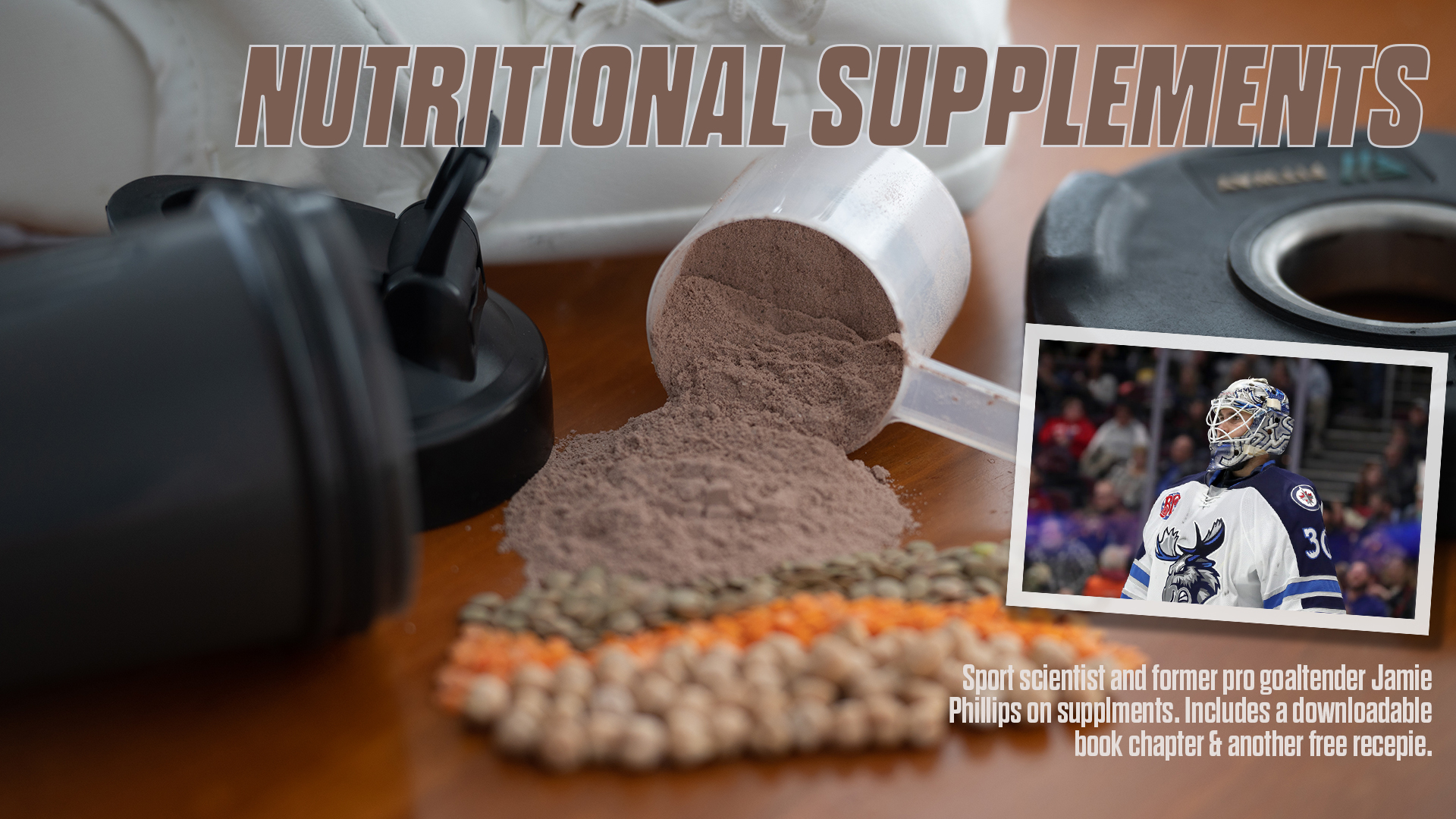
Nutritional Supplements
Have you walked into your local supplement shop and seen the walls filled with tubs and tubs of different products and wondered, “who needs all this stuff?”
The truth of the matter is probably nobody but they still exist. The supplement industry is valued at around 1.15 billion dollars in 2021 and is continuing to grow.
Everyone and their Grandma seem to have a 20% off discount code or a link in their bio for that “one supp you need to get you ______ this summer” I’ll let you fill in the blank.
When it comes to the supplement industry, it is not FDA regulated. This means there is no guarantee that what the label says is what you are getting or that the product even works. There is a reason that there is an asterisk on every claim of a supplement bottle “these claims have not been verified by the FDA.” It’s truly the wild west out there. Every day I see a new supplement company popping up, regurgitating the same BS as the last one.
Still ahead in this article:
Before getting into what actually works, there's a free recipe below — a 5-minute overnight oats prep that solves the one meal most goalies skip entirely.
15+ years of goaltending film & coaching
Already a member? Log in
Think you're seeing this in error? Contact support
Keep reading
15+ years of goaltending film & coaching
Already a member? Log in
Think you're seeing this in error? Contact support