
🔥 Have you seen the ALL-NEW Coaches Directory? Blazing fast - great new layout - easy to find the right coach for your goalie! Check it out →
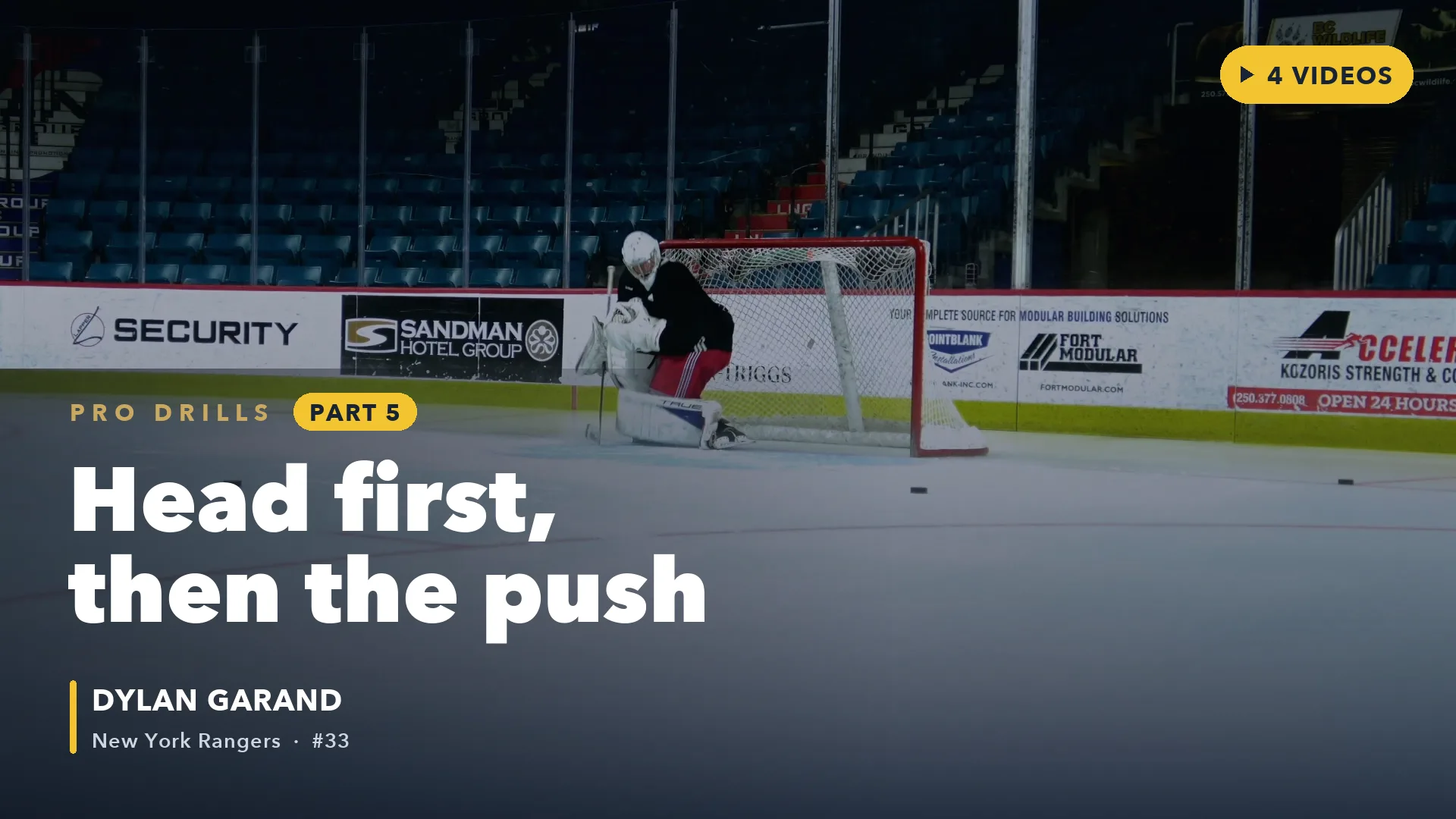
Dylan Garand works on slide recoveries and post-to-post bump-outs during his summer skating routine in Kamloops.

Dylan Garand Pro Drills Part 5 — Slide Recoveries and Post-to-Post Bump-Outs

Key Takeaways
  • Garand finished his first NHL call-up 2-0-1 with a .948 save percentage — and his skating routine shows exactly why the Rangers gave him a two-year extension.
  • Why Garand says the head leads the push — and what breaks down mechanically when it doesn't.
  • The specific visual anchor system Garand uses with pucks along the goal line is detailed in the full breakdown below.
  • Post-to-post bump-out technique is rarely seen in public pro footage — this series captures Garand reviewing it on camera.
  • Goalie coach Dan De Palma's offseason priority for Garand is almost entirely one thing — and it shapes every drill in this series.

Our multi-part series with New York Rangers goalie Dylan Garand continues this week as he stays in the crease for Part 5 of this hour-long summer skating routine, turning to slide recoveries and post-to-post bump-outs.

Garand made his NHL debut with the Rangers on March 22 and finished his first big-league stint 2-0-1 with a .948 save percentage after that call-up, earning a two-year contract extension from New York this summer. The 23-year-old impressed in that stint with his control, efficiency and edge work, all of which were on display when InGoal Magazine got on the ice with him last summer to capture the routines that have gone into building those strengths during a visit to his hometown of Kamloops, British Columbia.

Garand said on Episode 320 of the InGoal Radio Podcast, which was recorded during that visit, that his offseason focus with long-time goalie coach Dan De Palma is almost exclusively on skating and movement. We got close to an hour of footage — and just as importantly, Garand reviewing it with us — from that session.
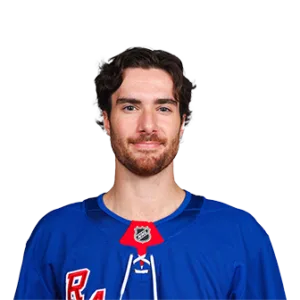
Dylan Garand
I feel like the headfirst is so important. If you can build that habit of getting your head going first, then the push is way better, and you hit your spot.
Dylan Garand New York Rangers

It started with some skating and edgework along the blue line, from one side of the ice to the other, with drills shared by Dustin Wolf, continued in Part 2 with some pucks on the ice for edgework from the knees, then moved into the crease for Part 3, starting with work around his posts that continued in Part 4 with five-puck work that included a couple of drills inspired by Rangers star Igor Shesterkin.

Part 5 starts with the pucks still out, but Garand said he’s only really using the two along the goal line as visual anchors. He starts up facing one dot, then slides across to the other before stopping himself and immediately pushing back inside the post in an RVH:

This simulates a lateral play that requires a slide and a quick recovery into the post. Garand walks through several of those options as he breaks it down in this video:

There is one last drill in this skating series. It focuses on a lateral push from post to post and a seamless bump off that target post into the puck placed along the dot lane:

As you saw, this drill starts with Garand dropping his inside knee like he’s going into an old-school VH several times, which he explains in this video review below:

“I feel like the headfirst is so important,” Garand said. “If you can build that habit of getting your head going first, then the push is way better, and you hit your spot.”

As for the VH-esque knee drop he starts with, Garand explained it’s all about sequencing.

“When I slide, I want to drop that knee and then push,” he said. “This is really just building that feeling of drop the knee, then push, kind of thing. Then I just drop my knee and slide.”

The containment element of these drills — and in Part 4 — using both skate edges and the posts reminded us of a recent video from long-time NHL goalie coach Ian Clark that might be worth checking out as you build off these lessons from Garand: Avoid Lateral Overflow With Post-Anchoring and Positional Containment.

Be sure to check in next week as Garand moves behind the net for some puck handling and our final set of drills from this hour-long skating session. In the meantime, if you haven’t already, catch up on the first four entries: Part 1, Part 2, Part 3, and Part 4.

Save